Log the meal. Correct the estimate. Learn the pattern.

Know your meal.
Learn your patterns.

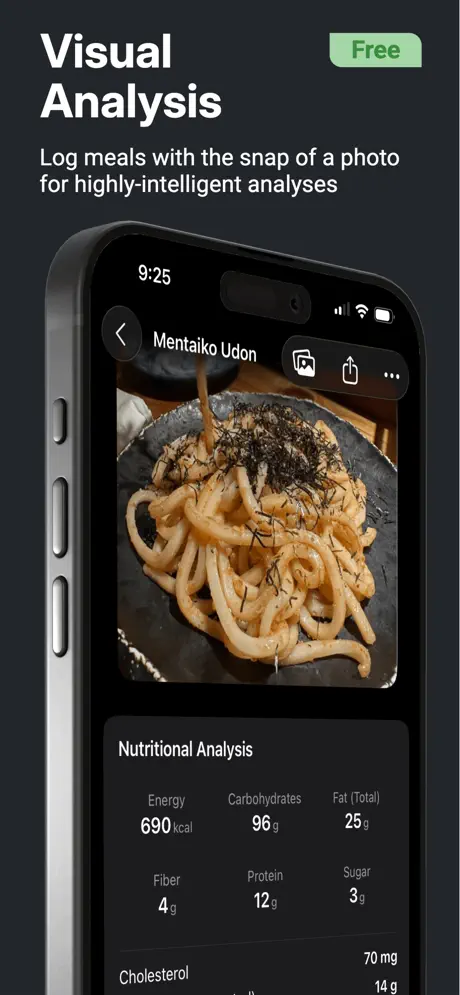
Feast turns a meal photo into a reviewable nutrition estimate, invites the context only you know, and helps you inspect patterns across meals instead of judging one plate.

  • More angles when they add evidenceInclude depth, hidden sides, labels, drinks, or another course.
  • Corrections are first-class inputAdd the portion, brand, recipe, or preparation the camera cannot know.
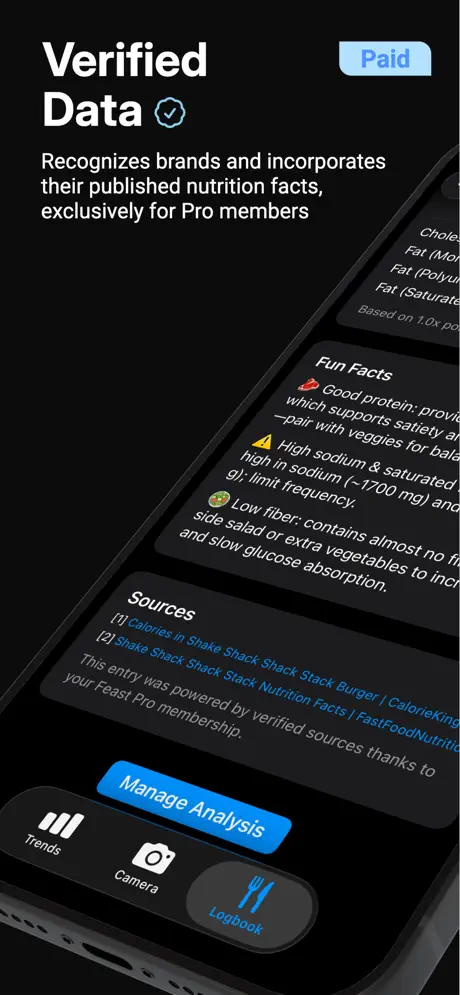
  • Sources you can openInspect clickable citations when an eligible analysis uses web evidence.
Feast visual meal analysis screen
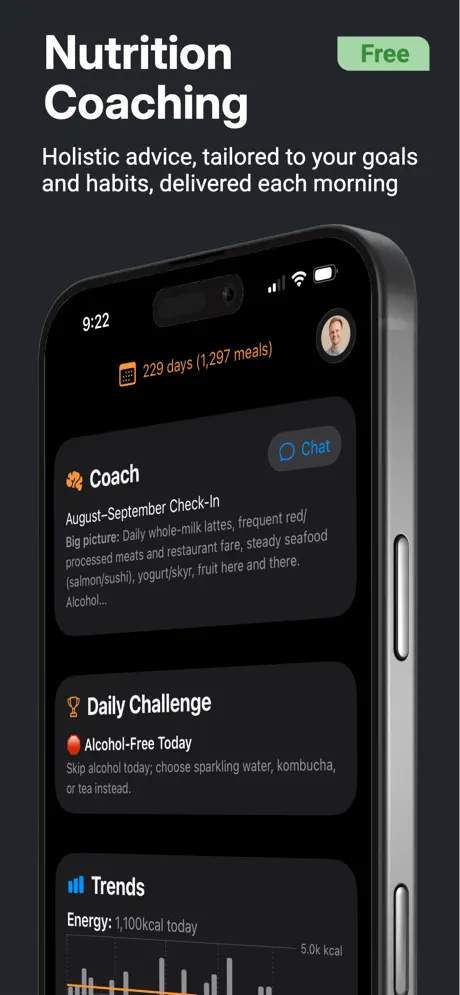
Feast nutrition coaching screen

An approximation can still be intelligent.
Its evidence, assumptions, and corrections should remain visible.

Useful starting points

Nutrition references for familiar meals

These editorially selected profiles expose the hard parts: mixed dishes, preparation contrasts, portion ambiguity, and additions that can move the estimate. Compare the complete source description and weight with what you actually ate.

Where recognition ends, context begins

A camera can observe a plate. It cannot remember the recipe.

Feast separates what the image suggests from what only you can supply: portion, brand, preparation, hidden ingredients, and the rest of the meal. You can correct the context, rerun the analysis, and inspect eligible citations.

01

Record better evidence

Use up to five photos when another view reveals depth, a hidden side, packaging, a drink, or a separate course. More images help only when they add information.

02

Supply private context

Tell Feast the quantity, ingredient, brand, or preparation detail you know. The model should not pretend to see through a bowl or infer an invisible tablespoon of oil with certainty.

03

Learn at the scale of patterns

One meal is noisy. A consistent history can make recurring choices, nutrient patterns, timing, and coaching questions more visible to eligible users.

See how Feast works

Source citations in a Feast meal analysis
Eligible analyses can include clickable source links.
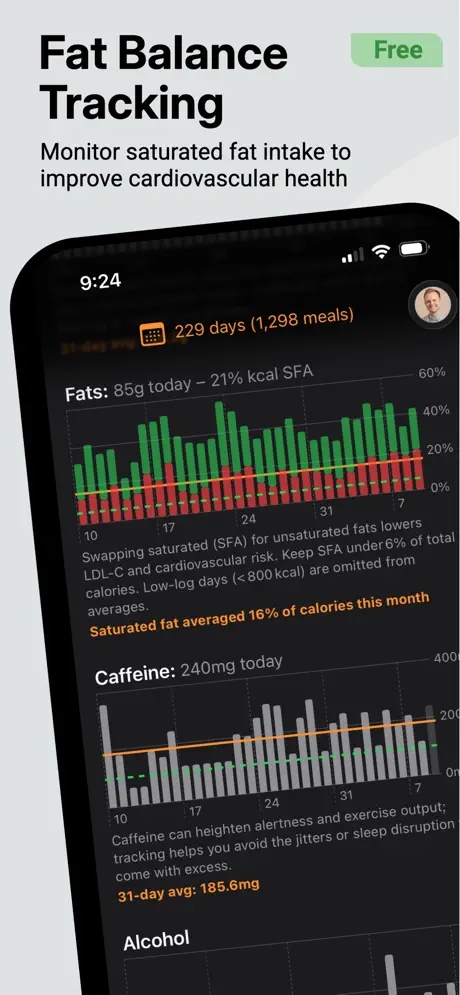
Fat balance trends in Feast
Patterns across calories, macros, fat types, caffeine, and more.

Built around real behavior

Explore the Feast workflow

Detailed guides explain the workflow, the decision it supports, the evidence it uses, and the failure mode worth noticing—not merely the feature name.

Questions before you log

What Feast can—and cannot—tell you

Photo logging is useful when the estimate stays editable and its limits remain visible. These are the questions worth answering before treating any number as precise.

Read the meal-estimate methodology
Can Feast determine calories from a meal photo?

Feast uses a meal photo to create a reviewable nutrition estimate. A photo cannot directly measure weight or reliably reveal every oil, sauce, filling, or recipe detail, so Feast lets you correct the context and reanalyze the meal.

Why can I add more than one photo?

You can add up to five photos when another angle reveals useful information, such as the depth of a bowl, layers in a sandwich, a hidden side, a package label, or a drink. Repeated views do not automatically make an estimate more accurate.

Can I fix an incorrect meal analysis?

Yes. You can correct ingredients, portions, brands, and preparation details you know, then ask Feast to reanalyze the meal. The revised result remains an estimate rather than a laboratory measurement.

Does Feast show sources for nutrition claims?

Eligible analyses can include clickable web citations. A source can support reference nutrition information, but it does not prove that the photographed portion or ingredient match is exact.

How does Feast use meal history?

Feast is designed to help you inspect patterns across logged meals instead of judging a single plate. Eligible coaching features can use that history for practical follow-up questions and recommendations, subject to the completeness of your record and plan availability.

Is Feast medical or diagnostic advice?

No. Feast provides estimates, educational analysis, and coaching support. It is not a medical device and should not replace care from a qualified clinician or dietitian, especially for diagnosis, treatment, eating disorders, or medication decisions.